

A flood insurance requirement should not leave you guessing
Your lender has asked for flood insurance. Now you need to understand the price, the coverage, and whether everything can be ready for closing.
You deserve clear answers before committing to another cost. Flood Insurance Guru helps you review available options and understand the questions to resolve with your lender.
Get clarity in three steps
Tell us about the home. Share the property address, expected closing date, and any insurance requirements your lender provided.
Review your available options. We help you compare premiums, deductibles, coverage, and effective dates for options available to your property.
Choose coverage and confirm the closing details. Once you choose a policy, confirm payment, the effective date, and the proof of insurance your lender needs. Issuance depends on the insurer's requirements and approval.
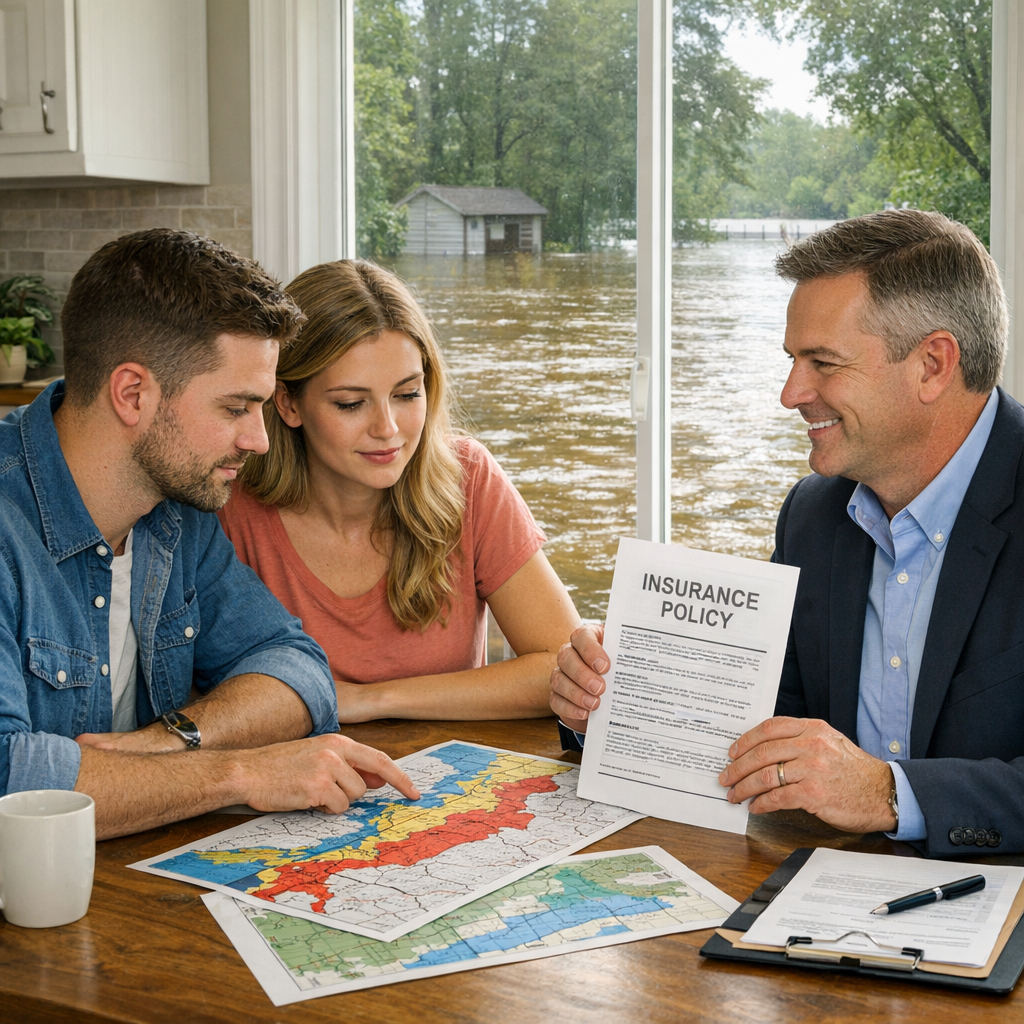
The 5 Step Process to Get Flood Insurance Before Closing
Check the Flood Zone (Day 1)
Your lender or agent should have identified the flood zone during the loan process. Verify at msc.fema.gov. If the property is in Zone A, AE, V, or VE, flood insurance is required.
Get a Quote Immediately (Day 1 to 2)
Contact us at FloodInsuranceGuru.com and we will quote your property through every available carrier within 24 hours. We need: property address, estimated closing date, coverage amount needed, and loan type.
Bind the Policy (Day 2 to 3)
Once you select a carrier and coverage, we bind the policy and issue a declarations page. This is the document your lender needs as proof of coverage.
Send Proof to Lender (Day 3 to 4)
We send the declarations page directly to your lender and closing attorney. This removes flood insurance from your closing checklist.
Close on Time
With flood insurance handled, your closing proceeds without delay. The entire process takes 3 to 4 business days from first contact.
The Waiting Period: Why Timing Matters
The NFIP has a standard 30 day waiting period before coverage becomes effective. However, the loan closing exception eliminates this waiting period when flood insurance is purchased in connection with a new mortgage. Private carriers may also offer shorter waiting periods of 10 to 15 days. You must initiate this before closing, not the day of.
What Flood Insurance Covers (and Does Not)
| Covered (Building) | Covered (Contents) | NOT Covered by NFIP |
|---|---|---|
| Foundation, walls, floors | Furniture, clothing | Loss of use / temporary housing |
| Electrical, plumbing, HVAC | Electronics, appliances | Mold damage |
| Appliances, built-in cabinets | Curtains, rugs | Landscaping, fences, decks |
| Carpeting, detached garage | Washer, dryer, freezer | Pools, hot tubs, vehicles |
Basement Limitation
NFIP coverage for basements is very limited. Only HVAC, water heaters, washers, dryers, and food freezers are covered in basements. Finished basement improvements (drywall, flooring, furniture) are generally not covered. Private carriers often offer broader basement coverage options.