
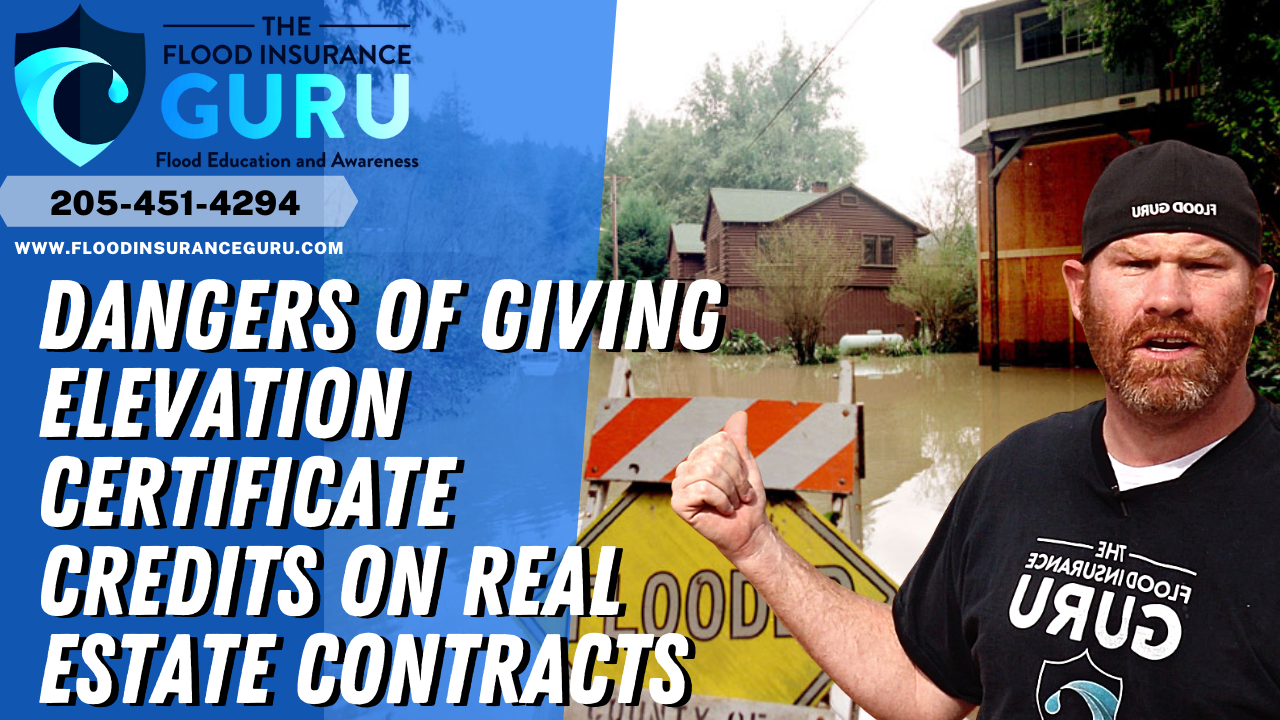
In this video, we break down the risks of offering elevation certificate credits in real estate contracts and why buyers, sellers, and agents need to proceed with caution. While elevation certificates can help estimate flood risk and insurance costs, using them as a guaranteed credit in a contract can create serious financial exposure later.
Elevation certificates reflect property conditions at a specific point in time. Changes in flood maps, building modifications, or updated rating methods can alter flood insurance premiums after closing. When credits are written into contracts based on outdated or misinterpreted elevation data, buyers may face unexpected flood insurance costs—sometimes thousands of dollars more per year.
This is especially important in transactions involving flood-prone areas regulated under FEMA guidelines, where insurance requirements can change due to map revisions or policy updates. What looks like a safe credit today may no longer apply once the policy is issued.
At The Flood Insurance Guru, we regularly see how misunderstandings around elevation certificate credits lead to disputes and budget surprises after closing. This video explains why elevation certificates should be used as informational tools, not promises, and why proper review is critical before finalizing a real estate contract.
Watch the full video to understand how elevation certificate credits can impact flood insurance, property value, and real estate negotiations—before they cost you more than expected.
Topics: