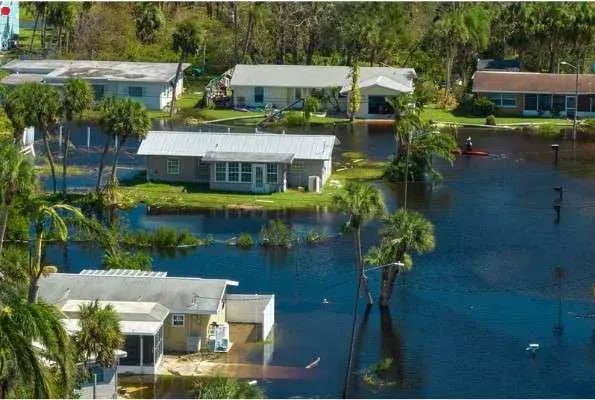

Why Flood Insurance Keeps Changing Right Before Closing
(And Why It’s Usually Not Your Fault)
If you work in real estate in Jacksonville, you’ve seen this happen. A deal is moving forward smoothly — then flood insurance changes late in the process, creating stress for the buyer and pressure on the transaction.
In most cases, this isn’t because anyone missed something. It’s because flood risk is often reviewed later in the transaction than most people expect, and Jacksonville’s flood landscape makes that timing especially disruptive.
At The Flood Insurance Guru, we help Realtors understand what’s happening behind the scenes using data tied to FEMA flood maps, NFIP guidelines, and private market underwriting standards — so surprises don’t surface at the worst possible time.
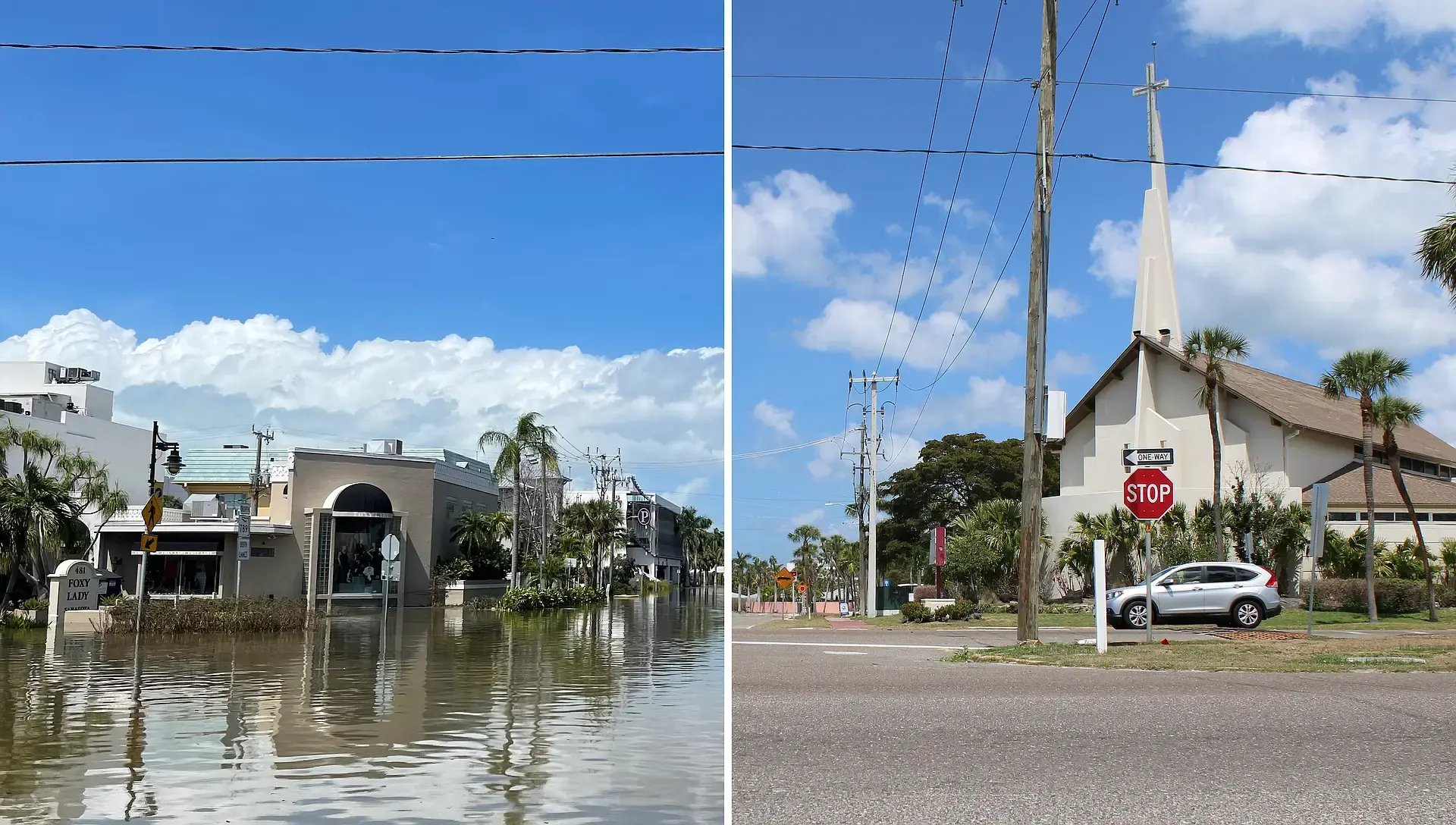
Why Flood Insurance Is Often Reviewed Late
In most transactions, flood insurance isn't finalized until:
-
The lender begins underwriting
-
A flood zone determination is issued
-
Insurance documentation is required for loan approval
By that point, contracts are signed and timelines are tight. In Jacksonville — where flood risk can change block by block — late review often leads to unexpected pricing shifts, coverage questions, or delays.
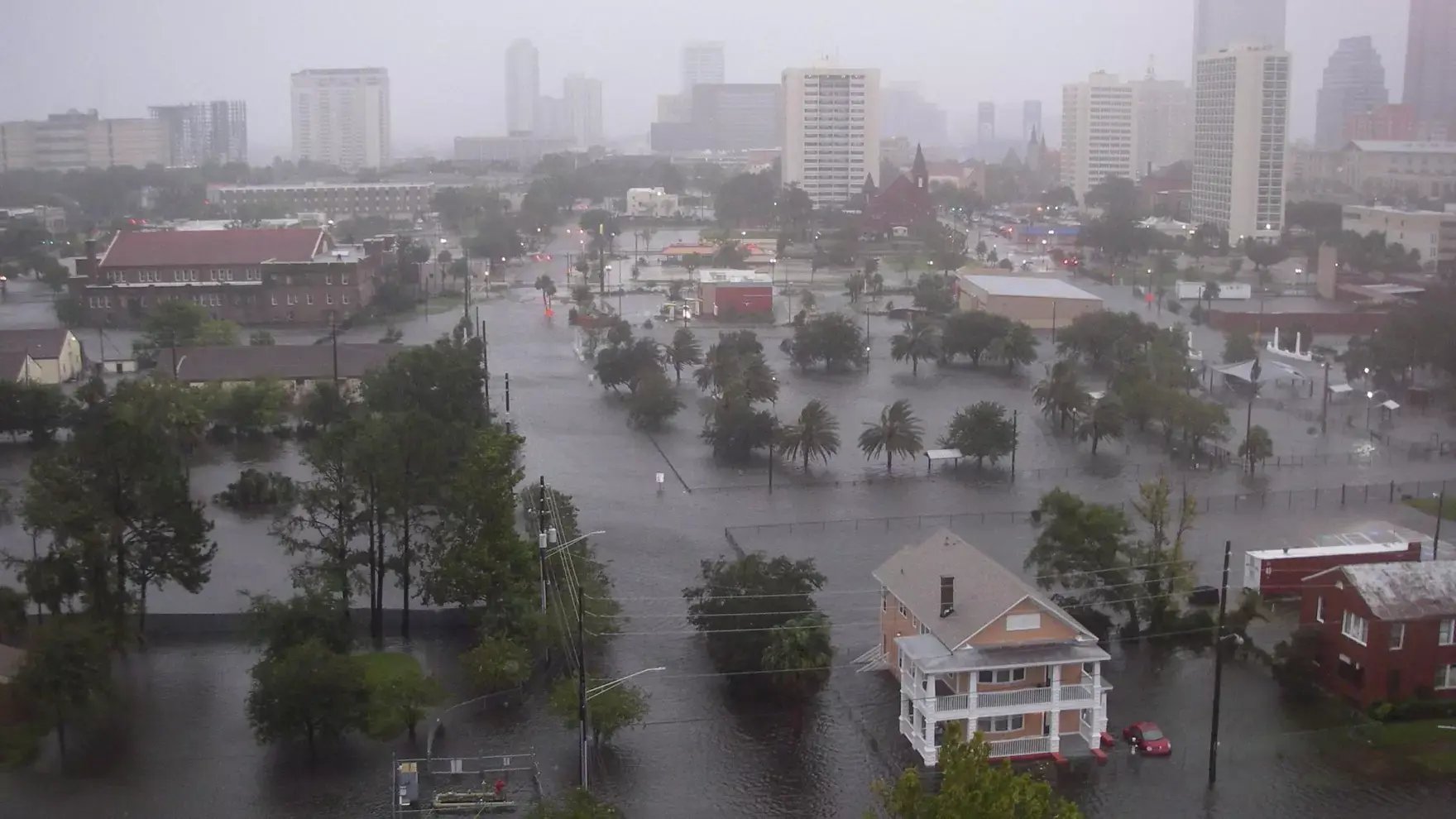
6 Reasons Flood Insurance Changes Right Before Closing
.

Lender Review Happens Later Than Buyers Expect
Many buyers assume insurance is handled early. In reality, lenders often don’t confirm flood insurance requirements until underwriting, when flood zone determinations and coverage details are finalized under NFIP and lender compliance rules.

Flood Zone Determinations Aren't Always Perfect
Flood zone determinations rely on FEMA mapping data, which can sometimes lag behind real-world conditions. In Duval County — where boundaries run close to rivers, creeks, and marshes — elevation assumptions and mapping limitations can affect results.

Flood Loss History Is Discovered Late
Flood loss history follows the property, not the buyer. Prior claims tied to NFIP records or private insurers often surface during underwriting, which can cause premium changes even when the flood zone itself hasn’t changed.

NFIP vs. Private Flood Insurance Creates Conflicting Quotes
NFIP and private flood insurers use different rating methodologies, data sources, and risk tolerances. When those systems don’t align, buyers may see coverage or pricing change late in the process.

Elevation and Construction Details Aren't ReviewedEarly
Elevation certificates, first-floor height, flood openings, and construction details significantly impact pricing under FEMA and NFIP rating models, but these factors are often reviewed late — especially in older Jacksonville neighborhoods.

Timing and Operational Delays
Flood insurance relies on multiple systems, including FEMA data, lender portals, and insurer underwriting platforms. Operational delays can slow corrections and updates, forcing last-minute decisions when timelines are already tight.
Why Jacksonville Deals Feel This More Than Other Markets
Jacksonville presents unique flood insurance challenges:
These conditions make late flood insurance review especially disruptive in this market.

Extensive waterways, including the St. Johns River, creeks, and marshes

Flood risk that can change from one block to the next under FEMA mapping

Older housing stock mixed with newer construction

Tight contract timelines that leave little margin for insurance delays
How Realtors Can Reduce Flood Insurance Surprises
The biggest opportunity to reduce disruption is earlier flood risk awareness, not late damage control.
Early review helps clarify:
- ✓ Flood zone accuracy
- ✓ Floodway exposure
- ✓ Elevation and construction details
- ✓ Flood loss history
- ✓ NFIP vs. private insurance options
- ✓ Realistic premium expectations
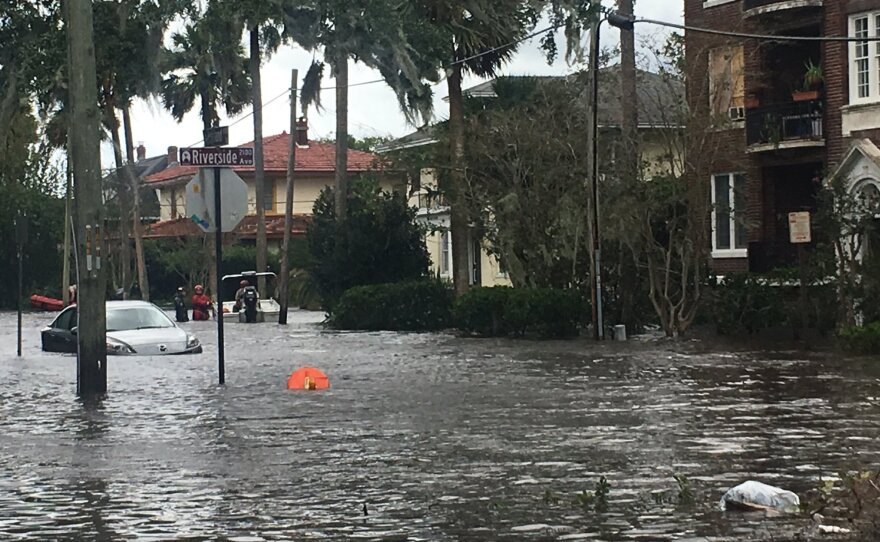
When to Bring in a Flood Risk Review
Realtors don't need to be flood experts — but knowing when to loop one in matters.
Consider a flood risk review any time one of the following applies:
- ⚠ A property is near water
- ⚠ Flood Zone AE or floodways are involved
- ⚠ Insurance costs impact buyer affordability
- ⚠ The buyer is already anxious about premiums
- ⚠ The lender flags flood insurance late