

NFIP vs. Private Flood Insurance in Jacksonville, FL
A Realtor-Safe Resource for Explaining Conflicting Flood Insurance Quotes
The Flood Insurance Guru specializes in simplifying the complex world of flood risk through education and upfront underwriting. In a market like Jacksonville—where risk changes block by block—we believe that every real estate professional deserves the data-driven insights needed to communicate clearly with buyers. Our goal isn't just to provide a quote; it's to provide the peace of mind that comes from a policy that is lender-compliant and transaction-ready.
"Why Are These Flood Insurance Quotes So Different?"
Realtors in Jacksonville hear this all the time:
"One quote says $600 and another says $3,000. How is that possible?"
In most cases, the answer is simple: NFIP and private flood insurance evaluate risk differently. That difference shows up in pricing, underwriting requirements, and how quickly quotes can change—especially late in a transaction.
This page explains the differences clearly (no sales pitch) so you can keep buyers calm, communicate accurately, and protect the closing timeline.
Hurricane Irma: 5 Years Later & Private Market Impact
Featuring The Flood Insurance Guru — Jacksonville Risk Analysis
What's the Difference Between NFIP and Private Flood Insurance?
NFIP (National Flood Insurance Program)
NFIP is the federal flood insurance program. It follows standardized rules and coverage structures. Many lenders are very familiar with NFIP policies, which can reduce friction during underwriting.
Lender-preferred for underwriting consistency across all 50 states.
Private Flood Insurance
Private flood insurance is offered by private carriers. These policies often use proprietary risk models and underwriting rules. In some cases, private flood can be more competitive—but lender acceptance and underwriting details matter.
Critical Focus: Lender compliance and specific policy endorsements are the keys to a successful private market closing.
Why NFIP and Private Flood Quotes Can Be So Far Apart
Different risk models
Private carriers may model risk differently than federal rating methods.
Different data inputs
Assumed elevation/first-floor height and other property data can vary by quote.
Different underwriting rules
Private carriers can apply eligibility rules that NFIP does not (and vice versa).
Different treatment of loss history
Prior flood losses can impact options and pricing in different ways.
Different speed of updates
Private pricing can shift quickly; NFIP changes may be processed on different timelines.
This is why a buyer can get multiple quotes and feel like "nobody agrees." Often, what's missing is a full-property review to confirm which assumptions are accurate.
Real Estate Investors: Private Market vs. NFIP
Discover the "Loss of Rent" secret and why getting 3-5 private quotes is essential for protecting your investment property’s bottom line.
Why This Shows Up So Often in Jacksonville
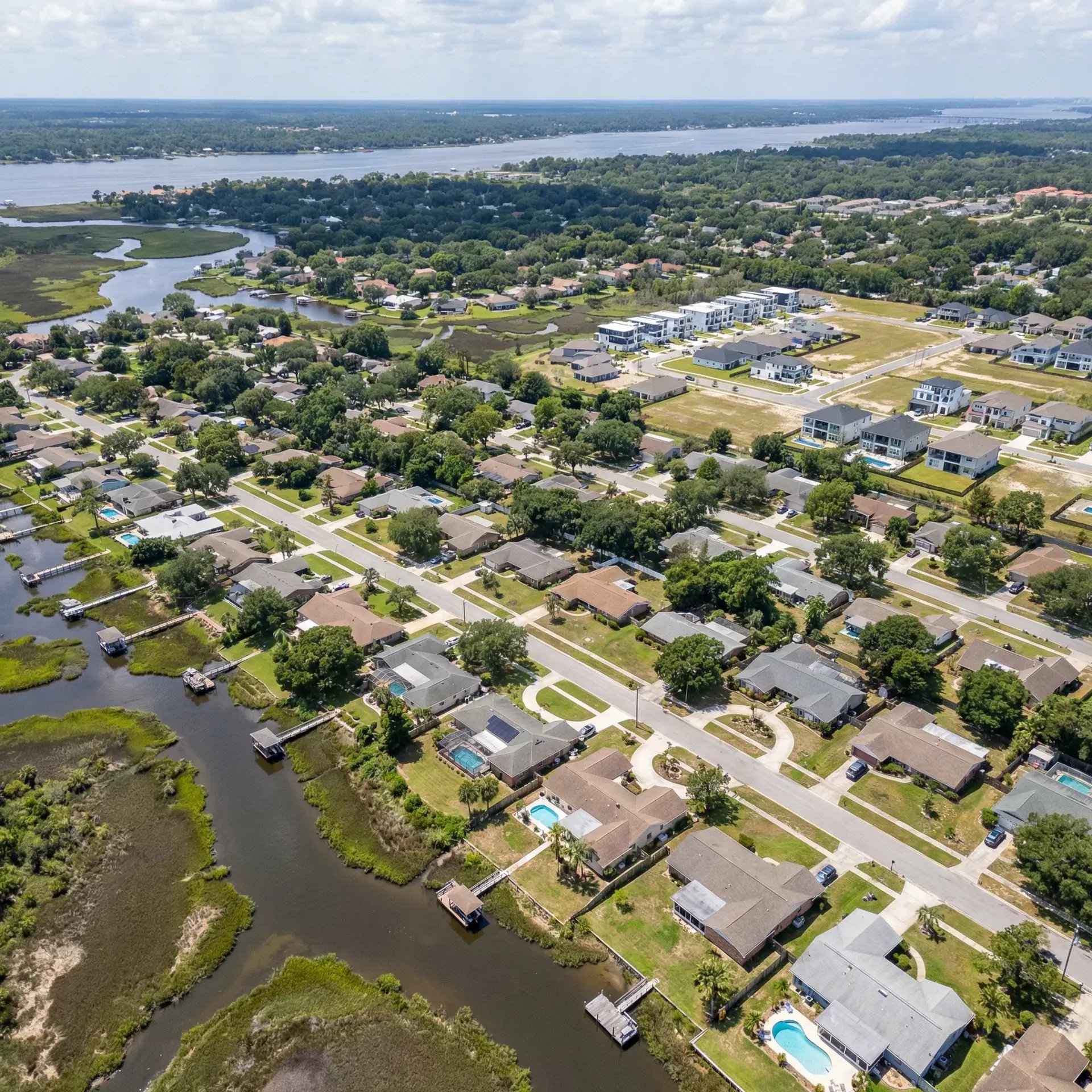
Jacksonville is uniquely sensitive to flood insurance variations because:
- • Flood risk can change block by block near the St. Johns River, creeks, and marshes
- • Older homes and newer construction are mixed throughout the county
- • Flood Zone AE and floodway boundaries create confusion (even when they don't drive pricing the way people assume)
In other words: the same "zone label" doesn't mean the same real-world risk—so quotes can swing when assumptions change.
What Realtors Should Know About Lender Requirements
Not every flood insurance policy is automatically lender-acceptable. Whether the policy is NFIP or private, it must meet lender standards for coverage and compliance.
This is why some private quotes that look attractive early can later be revised or rejected during underwriting.
Key takeaway: A cheaper quote doesn't help if it doesn't satisfy the lender.

Why These Differences Often Show Up Right Before Closing
Late-stage changes usually happen because critical items are confirmed late, such as:
Late-Stage Transaction Risks
Lender underwriting conditions and documentation requirements
Flood zone determinations or boundary issues
Flood loss history discovered during quoting/underwriting
Elevation/first-floor height assumptions clarified
Private carrier underwriting decisions made close to bind
That's why it can feel like flood insurance "suddenly changed," even when the change is simply new information being applied late.
A Simple Way to Explain This to Buyers

You're seeing different numbers because NFIP and private flood insurance use different data and underwriting rules. Our goal is to confirm the property details driving the quote and make sure the policy meets lender requirements.
This keeps the conversation calm and process-driven instead of emotional.
FAQs
Why is the private flood insurance quote so much cheaper than the NFIP quote?
Private carriers use proprietary risk models that may look more favorably on a specific property's elevation or distance from water than the federal government's standardized rating system. While the savings can be significant, it is vital to ensure the private carrier is A-rated and the policy language meets your lender's specific compliance requirements.
Can my lender reject a private flood insurance policy?
Yes. Lenders have strict guidelines regarding "mandatory purchase" requirements. If a private policy lacks specific "compliance aid" language or does not provide coverage at least as broad as the NFIP, a lender may reject it late in the underwriting process. Validating lender acceptance early is key to protecting your closing timeline.
Does a property's flood zone (like Zone AE) determine the final price?
Not necessarily. Under the current Risk Rating 2.0 system, the NFIP looks at individual property variables like first-floor height and distance to water rather than just the zone label. Similarly, private carriers use their own data sets. Two houses in the same "AE Zone" can have vastly different premiums based on their specific structural characteristics.
How does flood loss history impact my options?
Prior flood losses can be a major "deal-killer" if discovered late. Most private carriers require a property to be loss-free for the last five years. If a loss is discovered during underwriting, a private carrier may rescind their quote, forcing the buyer toward the NFIP, which generally accepts properties with prior losses but at a different rate structure.
The Smart Next Step When Quotes Conflict

When NFIP and private flood quotes disagree, the best move is to validate the assumptions before deadlines remove options.
A flood risk review can help clarify:
- ✓ Flood zone and floodway exposure
- ✓ Elevation and first-floor height assumptions
- ✓ Construction and flood openings
- ✓ Loss history considerations
- ✓ Which options are most likely to satisfy lender requirements
Final Takeaway
NFIP vs. private flood insurance isn't about finding the cheapest quote. It's about choosing a policy that fits the property, meets lender requirements, and holds up under a closing timeline.
In Jacksonville, understanding that difference is what prevents delays and protects your deal.