

Pennsylvania Flood Insurance
Protect Your Home or Business from Flood Risks Across the State
Special Flood Hazard Areas (SFHAs)
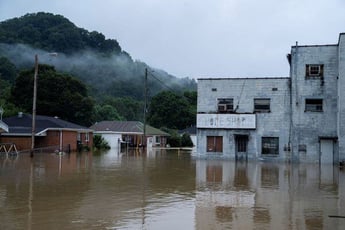
Special Flood Hazard Areas (SFHAs) are high-risk areas with a 1% annual chance of flooding, also known as the “100-year floodplain.” These zones include:
• Zone A: High-risk flood zones typically found along rivers and streams, like the Susquehanna, Delaware, and Allegheny rivers.
• Zone V: High-risk coastal areas, not common in Pennsylvania but relevant for areas near larger bodies of water or significant flood risks.
Is Flood Insurance Required in SFHAs?
If your property is in an SFHA and you have a federally-backed mortgage, flood insurance is mandatory. These areas are at high risk for flooding and often experience repeated flood events.
Non-Special Flood Hazard Areas (NSFHAs)
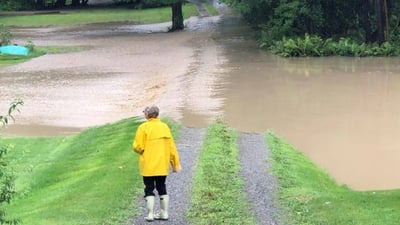
Non-Special Flood Hazard Areas (NSFHAs) are moderate- to low-risk zones with a lower probability of flooding:
• Zone B and C: Moderate- to low-risk areas with an annual flooding chance below 1%, often called the “500-year floodplain.”
• Zone X: Minimal flood risk outside the designated floodplains. While flood insurance isn’t required, it’s recommended, as flooding can still occur, particularly during severe weather.
Is Flood Insurance Mandatory in NSFHAs?
Flood insurance is not required in NSFHAs but is still recommended. Floods frequently occur outside of high-risk areas, particularly in urban locations or areas with poor drainage.
How Much Flood Insurance Coverage Do You Need in Pennsylvania?
The right amount of flood insurance coverage depends on factors such as your property’s location, value, and specific flood risks:

Building Coverage:
Covers the physical structure of your home or business, including the foundation, walls, plumbing, and electrical systems. For residential properties, the NFIP provides up to $250,000, while commercial policies cover up to $500,000. Private insurers may offer higher limits, which can be beneficial for high-value properties.

Contents Coverage:
Covers belongings such as furniture, electronics, clothing, and business inventory. NFIP offers up to $100,000 in contents coverage for residential properties and $500,000 for business contents, but private insurers can provide higher and more customizable limits.

Additional Living Expenses (ALE) and Loss of Income:
Private flood insurance may cover ALE for homeowners and Loss of Income for businesses. ALE helps with temporary housing expenses if a home is uninhabitable, while Loss of Income coverage replaces lost revenue while a business is closed for repairs.
National Flood Insurance Program (NFIP)

Building Coverage: Provides up to $250,000 for residential properties and $500,000 for commercial properties, covering essential structural elements.
• Contents Coverage: Offers up to $100,000 in contents coverage for personal items and up to $500,000 for business contents, covering essentials like furniture and inventory.
• No Additional Living Expenses (ALE) or Loss of Income: NFIP does not cover temporary housing or business income loss if a property is uninhabitable after a flood.
• 30-Day Waiting Period: NFIP policies typically have a 30-day waiting period before coverage starts, unless purchased with a new mortgage.
Private Flood Insurance

Higher Coverage Limits: Private insurers offer higher building and contents coverage limits, allowing for greater protection for high-value homes and businesses.
• Additional Living Expenses (ALE) and Loss of Income: Private insurance can include ALE and Loss of Income coverage, helping with temporary housing or business interruption expenses.
• Flexible Waiting Periods: Private insurers often offer shorter waiting periods (typically 10–14 days), providing quicker access to protection.
Pennsylvania Flood Insurance Coverage Options
1. Building Property Coverage:
Protects the physical structure of your home or commercial building, including the foundation, walls, and major systems like plumbing and electrical. Building Property Coverage is essential for repairing or rebuilding after a flood.
2. Contents Coverage:
Covers belongings such as furniture, electronics, clothing, and business inventory, allowing you to replace essential items and recover quickly.
3. Replacement Cost vs. Actual Cash Value:
• Replacement Cost: Pays the full cost to replace or repair damaged property, without deducting for depreciation. This option is ideal for those wanting complete restoration.
• Actual Cash Value: Covers the depreciated value of damaged property, which may lead to some out-of-pocket expenses but generally costs less.
4. Additional Living Expenses (ALE) and Loss of Income (private insurance):
ALE covers temporary housing if flood damage makes a home uninhabitable. Loss of Income supports businesses by replacing lost revenue while the property is undergoing repairs.





Commercial Flood Insurance in Pennsylvania
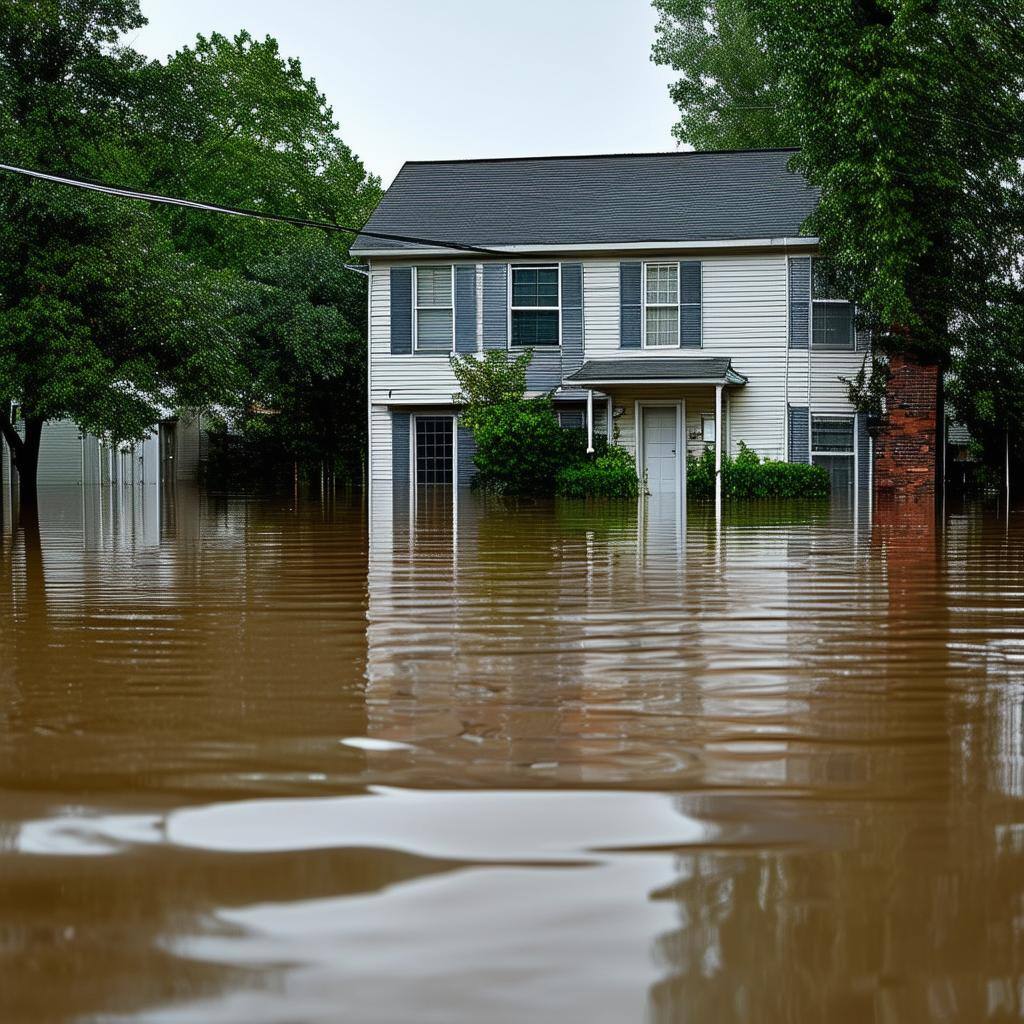
Flooding can have a devastating impact on businesses, interrupting operations and damaging valuable assets. Pennsylvania business owners can choose between NFIP and private flood insurance for reliable protection.
Commercial Flood Insurance Options:
-
National Flood Insurance Program (NFIP):
• Building Coverage: Provides up to $500,000 for commercial buildings, covering essential structural elements.
• Contents Coverage: Offers up to $500,000 for business contents, protecting furniture, equipment, and inventory.
• No Loss of Income Coverage: NFIP does not cover business interruption or loss of income.
2. Private Flood Insurance:
• Higher Coverage Limits: Private insurers often provide higher building and contents coverage limits.
• Loss of Income Coverage: Private flood insurance can include Loss of Income, helping replace revenue lost while the business undergoes repairs.
• Flexible Policies: Private insurers offer more flexibility, allowing businesses to choose the coverage levels and terms that best suit their needs.
Flood insurance is essential for Pennsylvania businesses, providing financial stability and faster recovery after a flood event.

We Are Here To Help
Our experienced team is here to answer your questions, provide customized flood insurance quotes, and help you find the best coverage for your needs. Whether you live in Philadelphia, Pittsburgh, Harrisburg, Allentown, Scranton, or any other part of Pennsylvania, we’ll work with you to protect what matters most. Take action now to ensure you’re prepared for Pennsylvania’s unpredictable weather and flood risks.