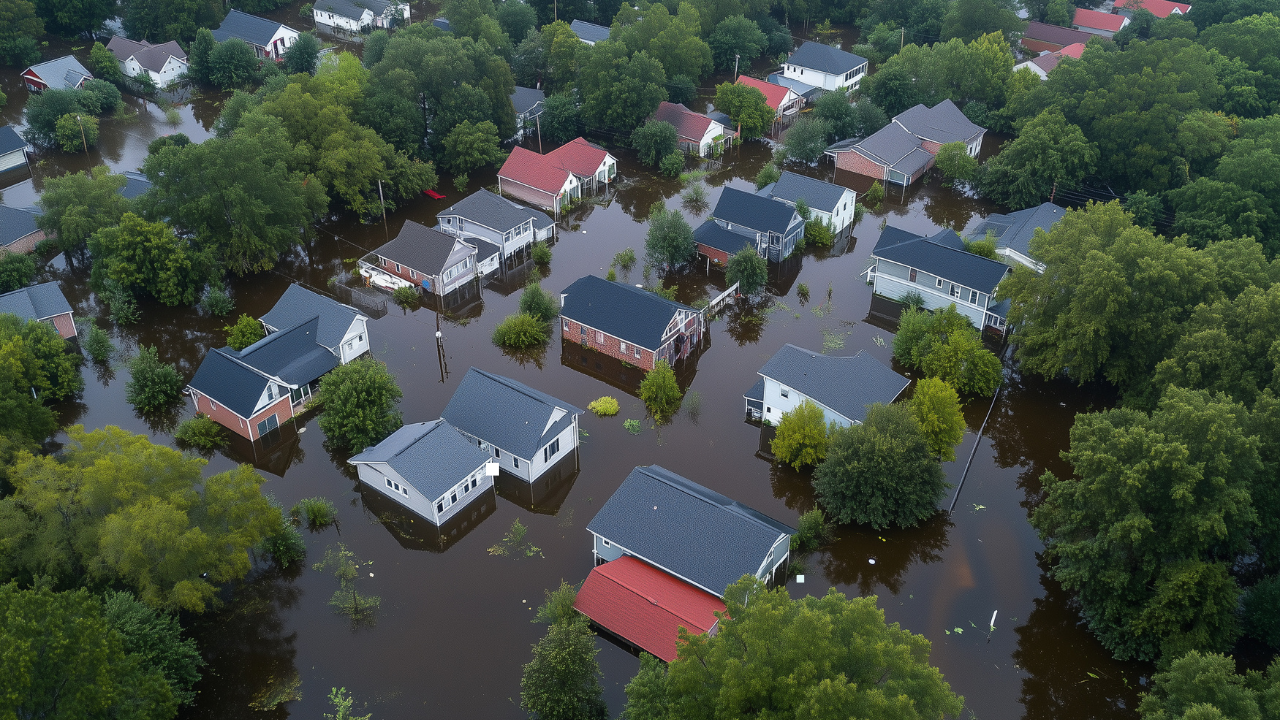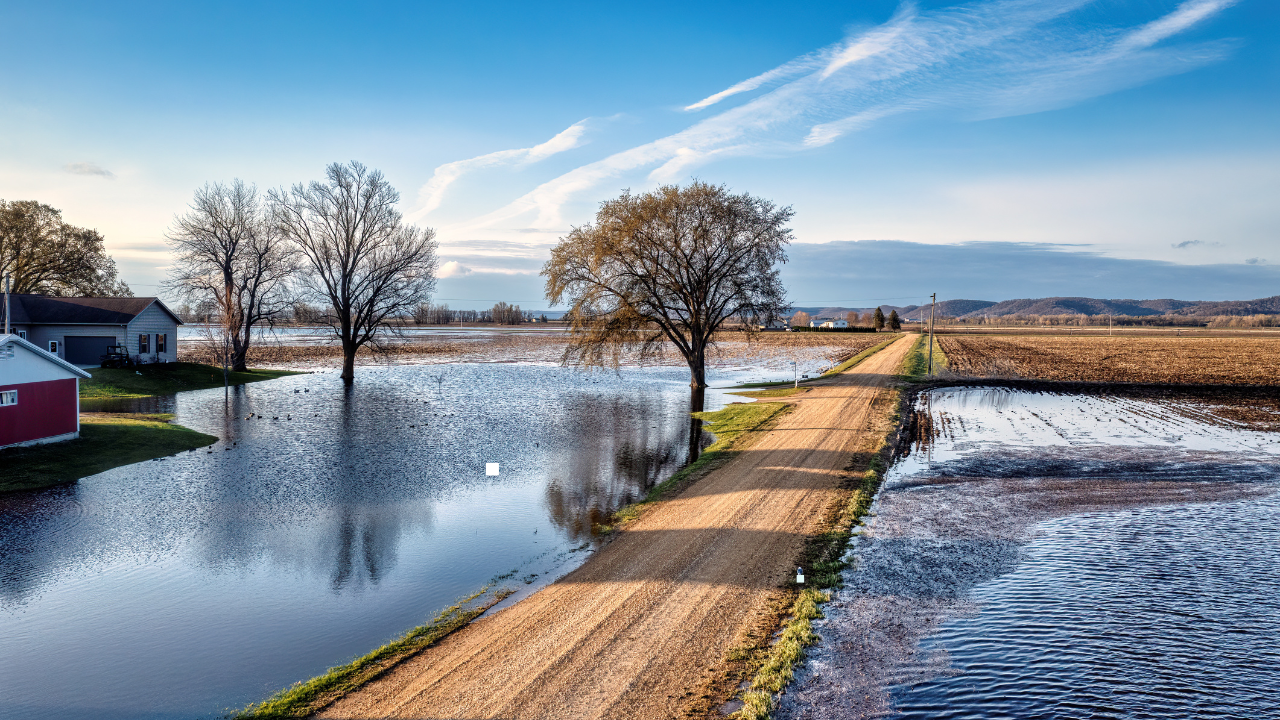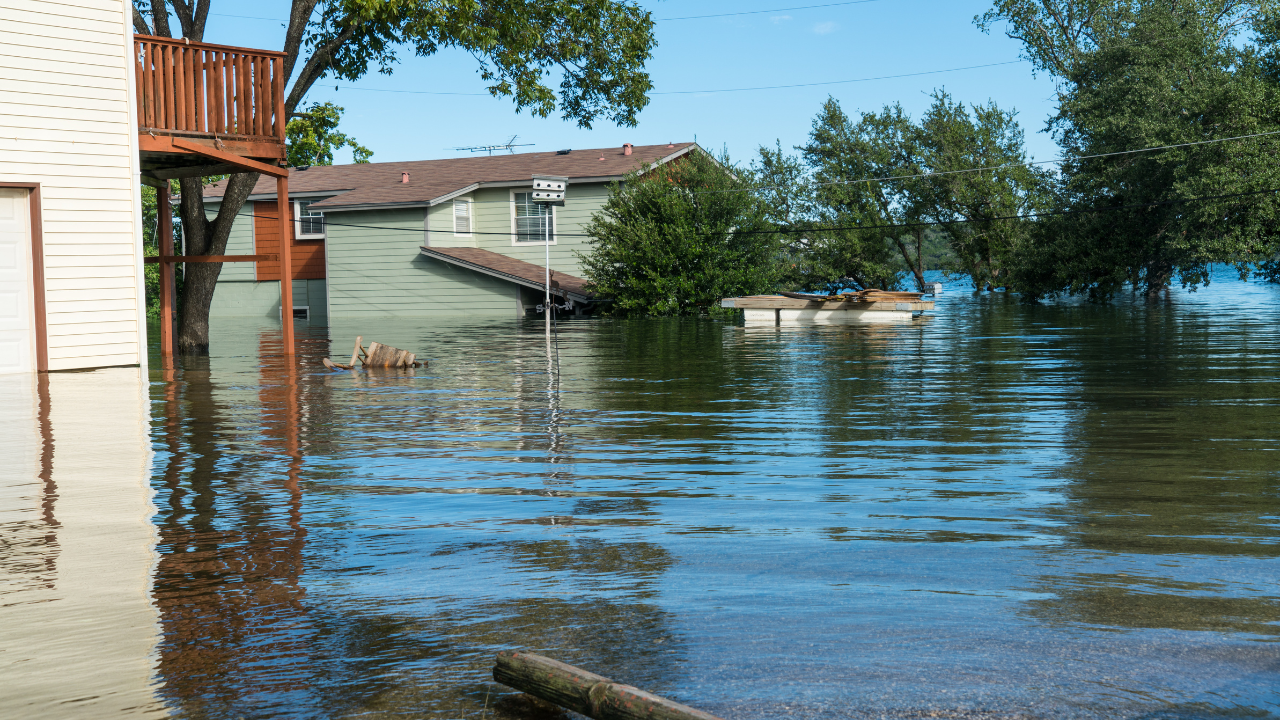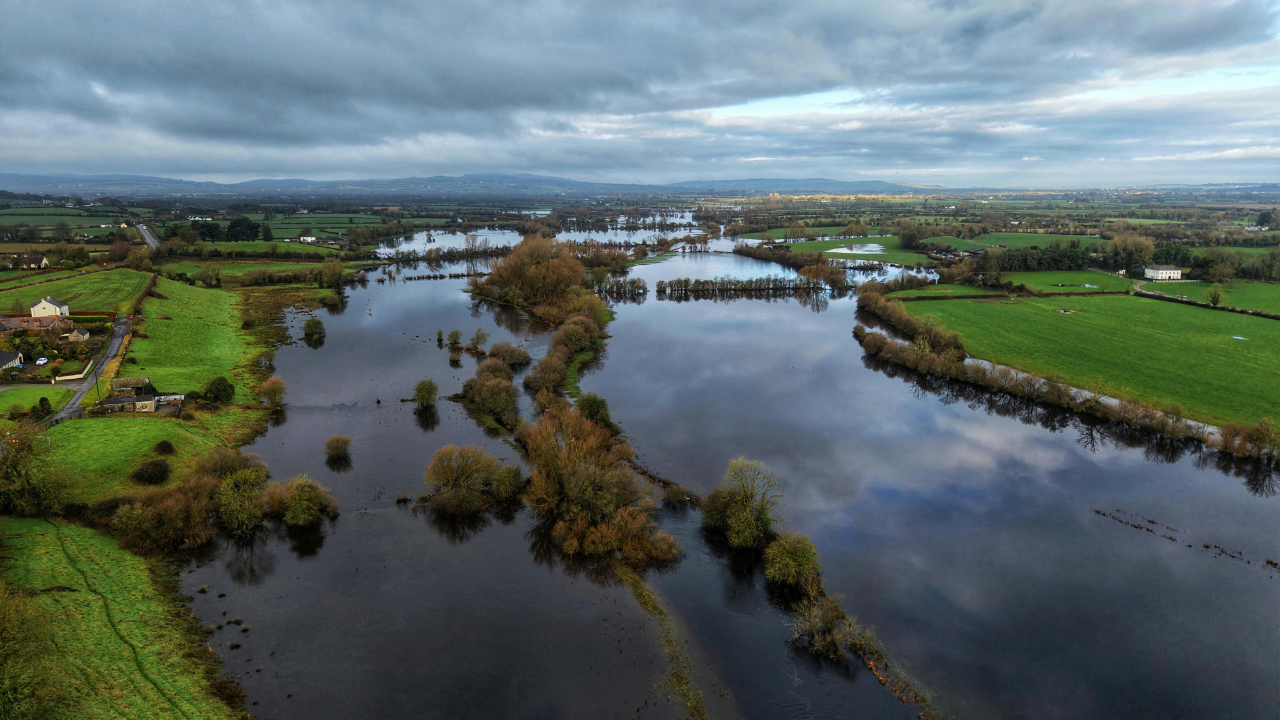

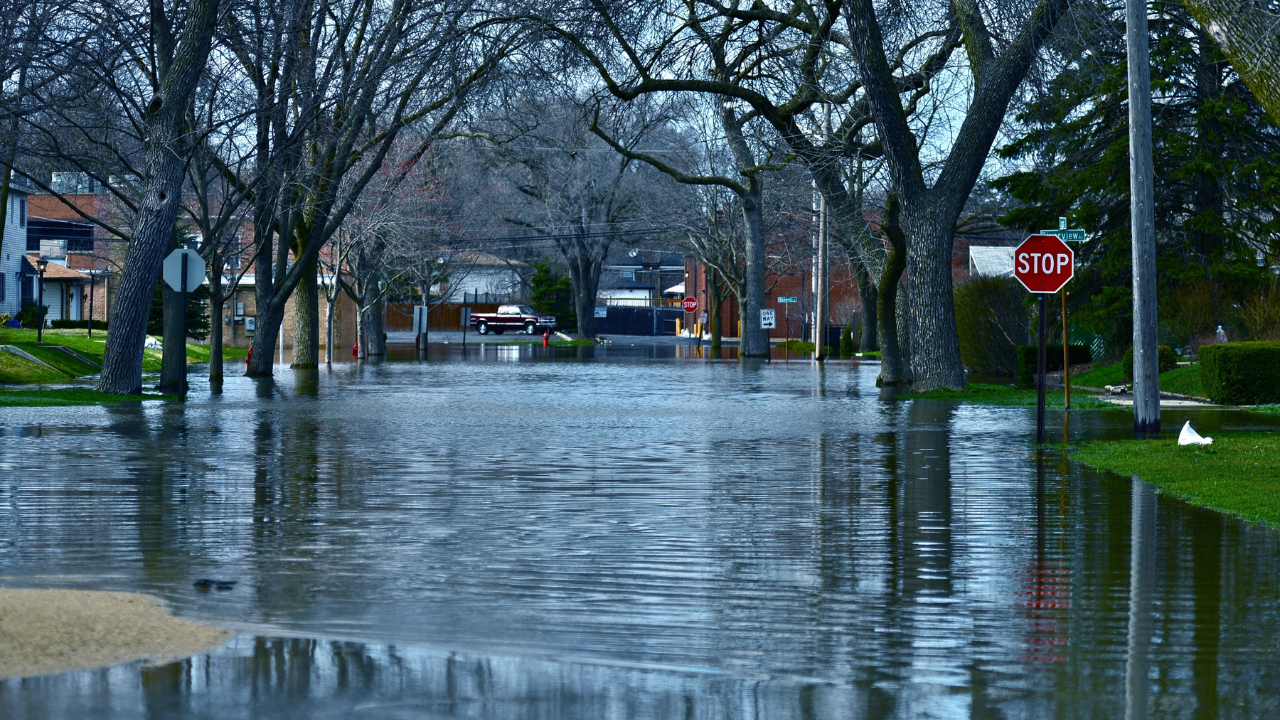
If you have been told flood insurance is not required for your Georgia property, it can feel like an easy decision to skip it.
Why pay for something you are not required to have? What are the chances your home will actually flood?
The problem is, many people assume “not required” means “not at risk,” and that assumption can lead to costly mistakes.
In this guide, you will learn when flood insurance makes sense even if it is not required, how much it actually costs in Georgia, and how to decide what is right for your situation.
The Biggest Misconception About Flood Risk in Georgia
The idea that only high-risk zones flood is simply not true.
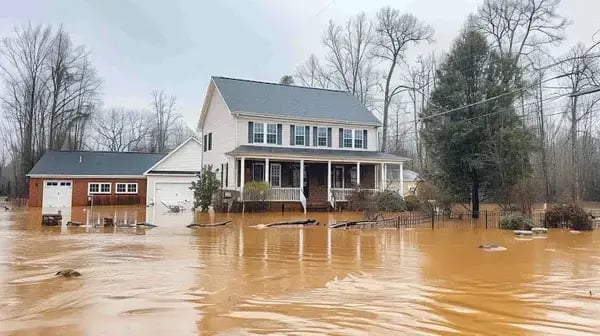
Flooding can and does happen outside of high-risk flood zones.
The Statistics That Matter
- 1 in 3 flood claims come from outside high-risk zones
- The average flood claim exceeds $100,000
- Standard Georgia homeowners insurance does not cover flood damage
Why Flood Risk Is Increasing in Georgia
Urban Development Is Changing Everything
As more land is developed:
- Natural ground is replaced with pavement
- Water has fewer places to drain
- Runoff increases during heavy rain
This means areas that never flooded before are now experiencing water issues.
How Much Does Flood Insurance Cost in Zone X in Georgia?
Cost is usually the deciding factor, and this is where most assumptions are wrong.
Real Flood Insurance Costs in Georgia
Based on recent data:
- Zone X policies range from $250 to $492 per year
- That is about $20 to $41 per month
- Example coverage includes $250,000 building and $100,000 contents
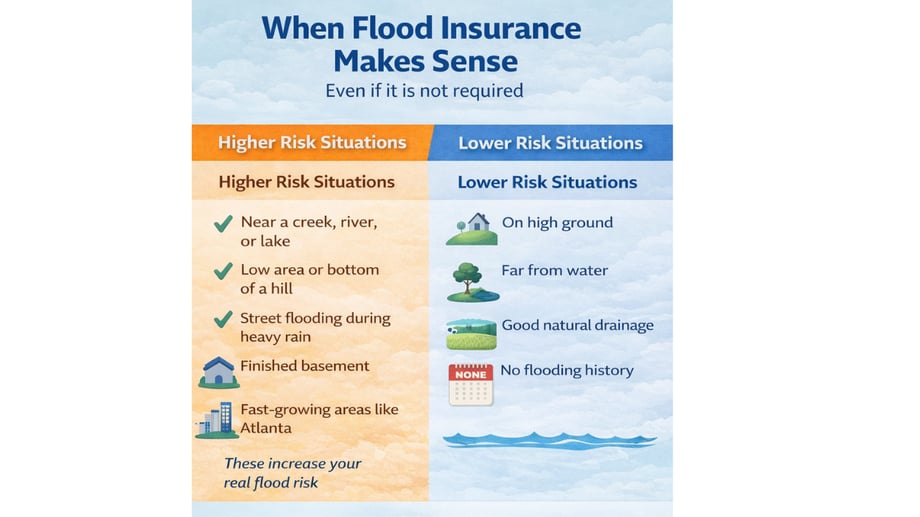
When You Should Definitely Consider Flood Insurance
Common Mistakes Homeowners Make
Assuming Low Risk Means No Risk
Flooding is unpredictable, especially with changing weather patterns.
Relying on Homeowners Insurance
Standard policies do not cover flood damage.
Waiting Until It Is Too Late
Bind your policy: If you're closing on a home, there's no waiting period — but you must start before closing day, not on it. Outside a loan closing, allow 30 days for NFIP coverage to take effect, or consider private carriers for faster options.
Frequently Asked Questions
Do I need flood insurance if I am in Zone X?
No, it is not required, but it is often recommended depending on your location and risk factors.
Does homeowners insurance cover flooding?
No. Flood damage is excluded from standard homeowners policies.
How much does flood insurance cost in Georgia?
Most Zone X policies range from $250 to $492 per year, depending on coverage and location.
When is flood insurance most important?
It is especially important if you are near water, in a low-lying area, or in a region experiencing rapid development.
How long until my flood policy is active?
If you're buying a home and flood insurance is required for your mortgage closing, the NFIP's 30-day waiting period is waived entirely — coverage begins at loan funding, as long as the application and payment are submitted before closing. If your property was recently remapped into a high-risk zone (Zone A or AE), a 1-day waiting period may apply. Outside of those cases, the standard NFIP waiting period is 30 days. Private flood carriers typically range from immediate to 15 days, and most waive the wait for real estate transactions.
Is Flood Insurance Worth It If It Is Not Required?
If you are trying to decide whether to get flood insurance in Georgia, the answer comes down to understanding your real risk, not just what is required.
The next step is to evaluate your property based on location, elevation, and surrounding conditions, not just your flood zone.
At Flood Insurance Guru, we help Georgia homeowners assess real flood risk and compare coverage options so they can make confident decisions.
If you are unsure whether flood insurance makes sense for your property, your next step is to check your flood risk. Click below so that you can weigh the cost against your actual exposure.