
If you are a Jacksonville homeowner or buyer, seeing Flood Zone AE on a flood map or lender document can feel overwhelming. Insurance quotes jump, timelines tighten, and suddenly everyone has a different opinion about what Flood Zone AE really means.
Here is the truth most people are never told.
Flood Zone AE does not determine your flood insurance rate in Jacksonville.
Focusing on the zone alone often creates unnecessary fear, delays, and costly mistakes.
In this article, you will learn:
- What Flood Zone AE actually means in Jacksonville
- The biggest myth surrounding Flood Zone AE
- Five factors that impact flood insurance more than the zone itself
- Real Jacksonville examples that show how pricing really works
- The smartest next step if your property is in Flood Zone AE
What Is Flood Zone AE?
Flood Zone AE is a FEMA-designated high-risk flood zone. It represents areas with a 1 percent annual chance of flooding, commonly referred to as the 100-year floodplain.
In Jacksonville, Flood Zone AE frequently appears:
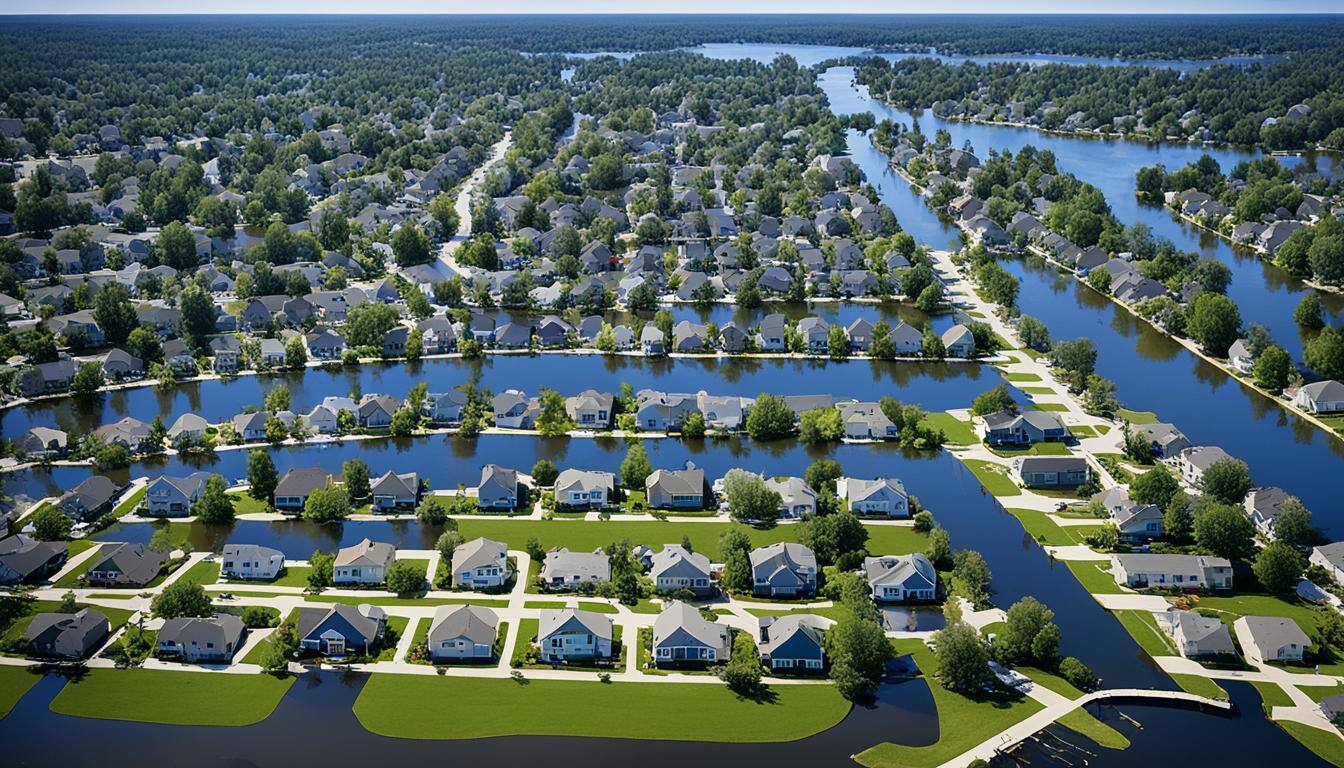
- Along the St. Johns River
- Near creeks, marshes, and tidal tributaries
- In older neighborhoods where drainage patterns have changed over time
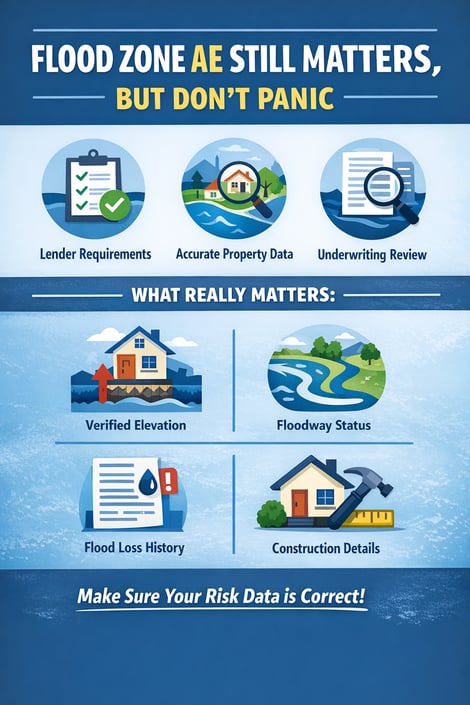
Flood Zone AE still matters for lender requirements and general risk awareness. Where most people go wrong is assuming it automatically means high flood insurance costs.
The Biggest Myth About Flood Zone AE in Jacksonville
One of the most persistent myths in flood insurance is that Flood Zone AE automatically equals expensive coverage.
That assumption is outdated and inaccurate.
Under modern flood rating methods, including current NFIP pricing models and private insurance underwriting, flood zones are no longer the primary pricing driver. Flood zones are mainly used to:
- Communicate general flood risk
- Trigger lender insurance requirements
- Guide mapping and planning decisions
They are not what determines your premium.
What truly matters is how your specific property interacts with flood risk, something flood maps alone cannot fully capture.
This is why two homes in Flood Zone AE can have dramatically different flood insurance costs.
Five Factors That Impact Flood Insurance More Than Flood Zone AE
1. Proximity to Water
How close your home is to open water is one of the strongest predictors of flood risk.
A property mapped in Flood Zone AE but located farther from the St. Johns River may cost less to insure than a home in a lower-risk zone that sits directly next to a creek or marsh.
Jacksonville example, Riverside:
Two homes were both mapped in Flood Zone AE. One sat several blocks from open water. The other backed up to a tidal creek. The creek-adjacent home carried a significantly higher premium, despite sharing the same flood zone.
2. Floodway Status
Being in a floodway often matters more than being in Flood Zone AE.
Floodways are areas designated to carry moving floodwaters during major flood events. Properties within floodways typically face:
- Higher premiums
- Fewer private insurance options
- Stricter underwriting requirements
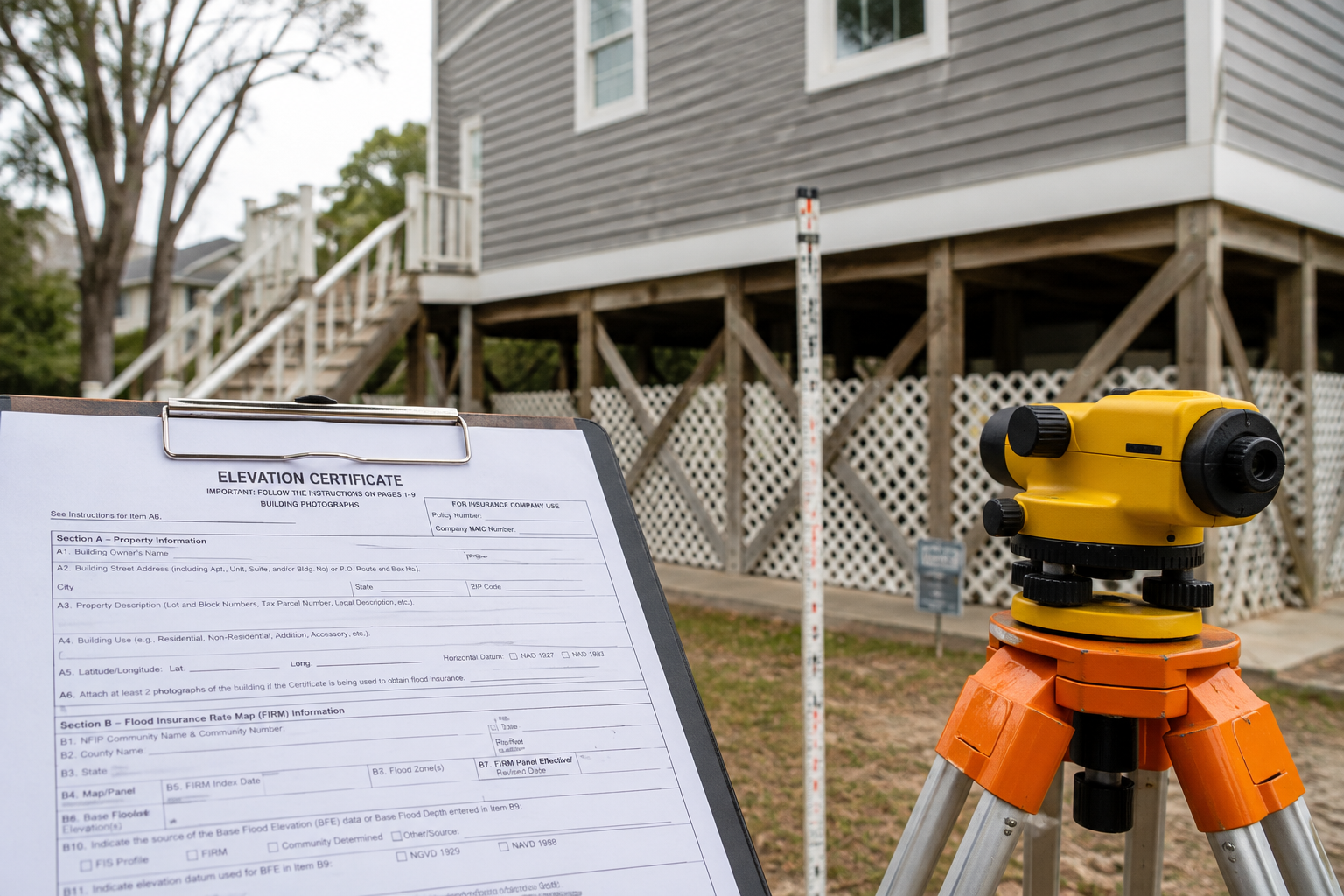
3. Elevation and First-Floor Height
Elevation is one of the most powerful flood insurance pricing factors.
Homes elevated above expected flood levels often qualify for much lower premiums, even in Flood Zone AE.
This is why Jacksonville’s elevation standards and accurate data matter so much.
4. Flood Loss History
A property’s flood loss history can outweigh flood zone entirely.
Homes with prior flood claims, especially repeated losses, often see higher premiums regardless of current zoning.
Jacksonville example, San Marco:
A buyer discovered late in the transaction that the home had prior flood losses. The flood zone had not changed, but the premium increased once the loss history was factored in. This is a common reason flood insurance surprises appear right before closing.
5. Construction and Risk Characteristics
Details such as:
- Foundation type
- Flood openings
- Building materials
- First-floor configuration
can influence pricing more than Flood Zone AE itself.
Why Flood Insurance Issues in Flood Zone AE Show Up Late
Flood insurance problems often surface late in transactions because:
- Elevation data is not reviewed early
- Flood loss history is uncovered near closing
- NFIP and private insurers use different datasets
- Corrections and reviews take time
FAQ
Does Flood Zone AE automatically mean expensive flood insurance in Jacksonville?
No. Flood Zone AE signals mapped risk and lender requirements, but pricing is driven more by proximity to water, floodway status, elevation, construction details, and flood loss history.
What impacts my flood insurance more than Flood Zone AE?
Distance to water, floodway location, elevation and first-floor height, prior flood losses, and building characteristics typically matter more than the zone itself.
What is a floodway, and why does it matter so much?
A floodway is the area needed to carry floodwaters during major events. Homes in floodways often face higher premiums and fewer insurance options than nearby homes also mapped in Flood Zone AE.
Can two homes in Flood Zone AE have very different flood insurance premiums?
Yes. Two AE homes can price very differently based on elevation, proximity to water, floodway status, and loss history. This is why relying on the zone alone is misleading.
Flood Zone AE Should Not Scare You, Guesswork Should
Flood Zone AE is common in Jacksonville. Confusion and overpaying do not have to be.
When flood insurance is evaluated correctly, many Flood Zone AE homes are far more affordable to insure than people expect. The difference comes from understanding your property, not just your flood zone.
If you want clarity, confidence, and fewer surprises, the next step is simple.
Start with a Flood Risk Assessment and make decisions based on facts, not fear.

Topics: